Saudi Arabia Is Quietly Becoming One of the World’s Most Important Luxury Travel Markets

Saudi Arabia Is Quietly Becoming One of the World’s Most Important Luxury Travel Markets

For decades, Saudi Arabia was largely absent from global leisure travel conversations. Today, it is moving in the opposite direction faster than almost any destination in the world. What makes this shift especially significant is not just the scale of tourism growth, but the type of travel the Kingdom is prioritising. Saudi Arabia is positioning itself as a destination built around premium, experience led travel rather than volume driven tourism.


In 2023 and 2024, Saudi Arabia welcomed more than 116 million domestic and international tourists, exceeding its original Vision 2030 targets several years ahead of schedule. Tourism spending surpassed SAR 284 billion, with the sector now contributing over 11.5% of national GDP. According to the World Travel and Tourism Council, this figure is expected to continue rising as new destinations and experiences come online.


What is changing the perception of Saudi Arabia is not simply new hotels or infrastructure. It is the growing focus on curated, culturally rooted, and low density experiences designed for travellers who value privacy, authenticity, and access over mass entertainment.


The Global Shift Toward Experience Led Luxury


Saudi Arabia’s timing aligns closely with a broader global trend. Luxury travel is increasingly defined by experiences rather than possessions. According to research highlighted by The Economist, prices for ultra luxury experiences have risen by approximately 90% since 2019, while prices for many traditional luxury goods have stagnated or declined.


High net worth and ultra high net worth travellers are reallocating spending away from products and toward moments that are scarce, time bound, and difficult to replicate. A private table at a three Michelin star restaurant, a seat at a world class sporting event, or access to a remote cultural site carries more long term value than another watch or handbag.


Saudi Arabia has leaned directly into this shift. Instead of opening its doors to mass tourism immediately, the Kingdom has focused on building destinations that are intentionally limited in scale, highly curated, and deeply connected to place.


Experiences at the Centre of Saudi Arabia’s Tourism Strategy


Projects such as AlUla, the Red Sea, Diriyah, and upcoming destinations across the western coast are not designed as traditional resort hubs. They are built around experiences first.


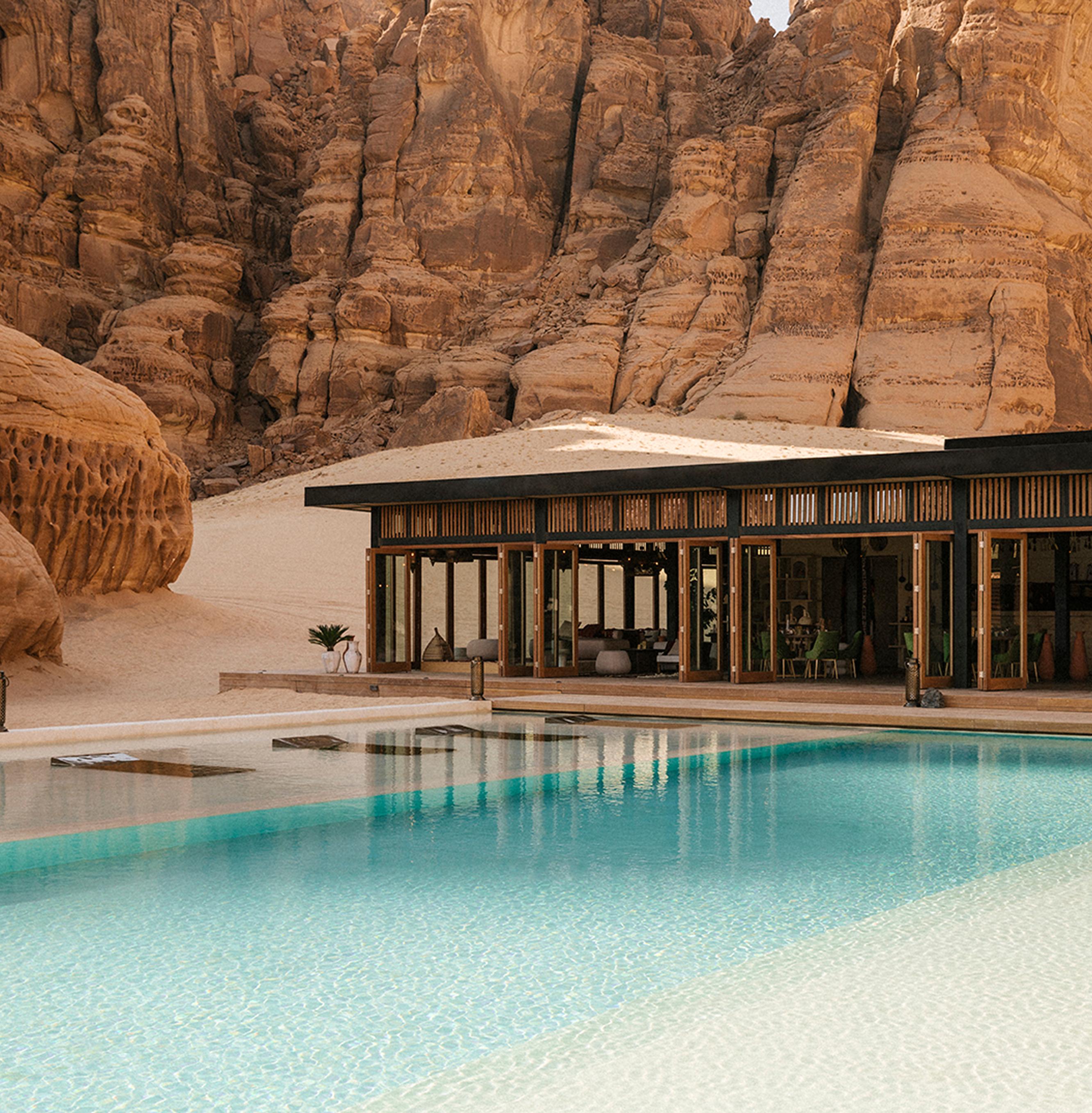
In AlUla, visitor numbers are intentionally capped to protect heritage sites and ensure quality. Guests are encouraged to engage with archaeological landmarks, curated cultural programming, desert landscapes, and locally rooted storytelling. The destination is positioned less as a checklist location and more as a slow, immersive experience.


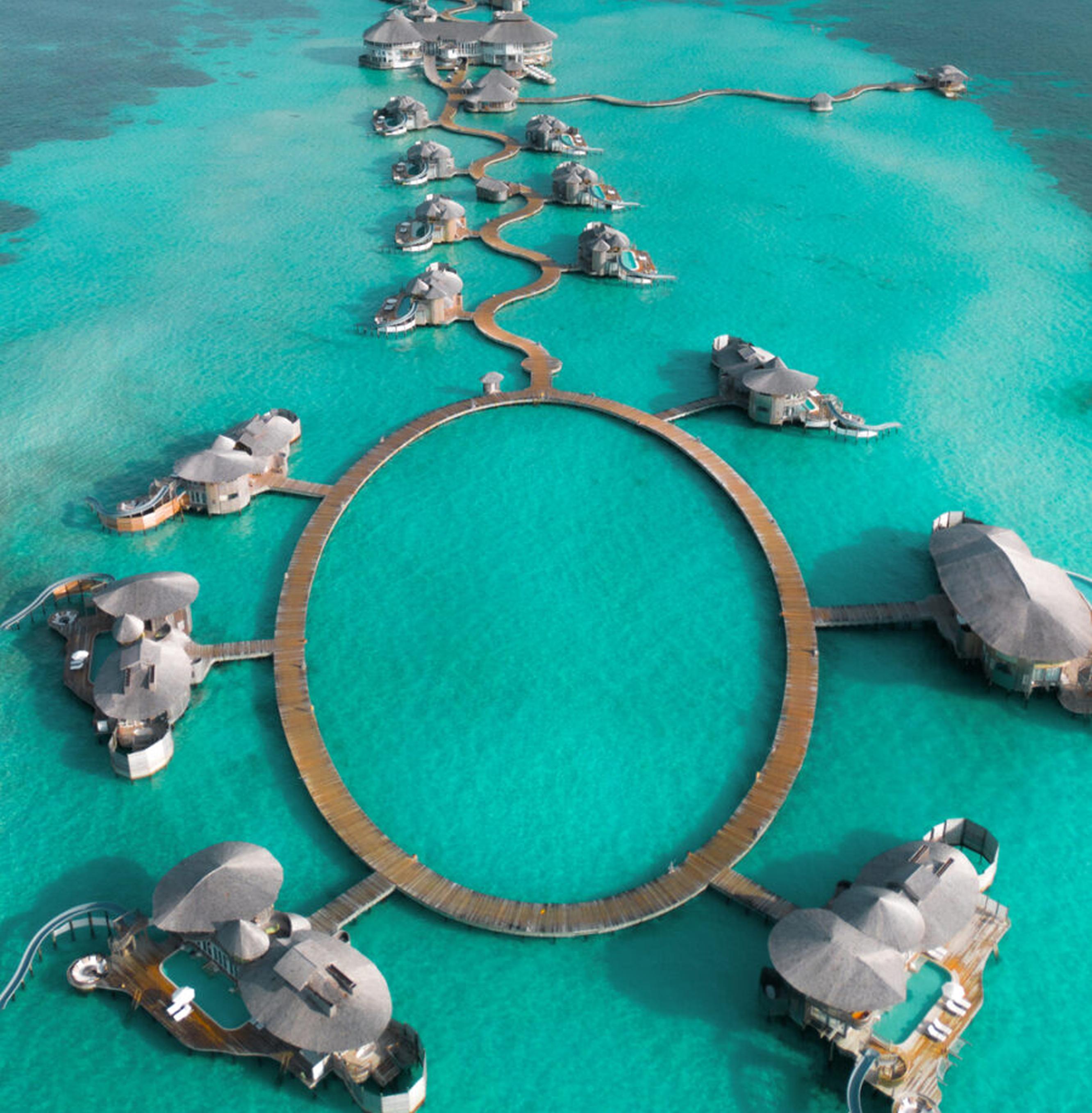
Along the Red Sea, developments focus on low density hospitality, marine exploration, wellness, and nature based experiences. Operators are required to meet strict sustainability and quality standards, reinforcing the idea that access is selective rather than open ended.


This approach mirrors what has historically defined the most resilient luxury brands globally. Scarcity, consistency, and control over experience quality matter more than scale alone.


Why Saudi Arabia Appeals to High Value Travellers


Saudi Arabia offers something increasingly rare in global luxury travel. Newness combined with depth. Many established luxury destinations suffer from overexposure. Experiences become predictable, crowded, or diluted as demand grows.


In contrast, Saudi Arabia presents landscapes, cultural narratives, and access points that most global travellers have not experienced before. From private desert dining under ancient rock formations to guided access to archaeological zones, the Kingdom offers experiences that feel genuinely exclusive because they are still emerging.


For travellers who prioritise privacy, Saudi Arabia also provides a level of discretion that is difficult to find in traditional luxury hotspots. This is particularly relevant for ultra high net worth individuals who increasingly avoid destinations that feel performative or overshared.


The Opportunity for Curated Experience Platforms


As Saudi Arabia’s luxury tourism offering expands, a new challenge emerges. Discovery and access.


While hotels and flights can be booked instantly, premium experiences often remain fragmented across private operators, manual booking processes, and offline relationships. This creates friction for travellers who expect seamless access without sacrificing quality or control.


Platforms that focus on curated luxury experiences play a growing role in this ecosystem. They provide a structured way for travellers to discover verified experiences while allowing operators to maintain brand positioning and pricing integrity.


Rather than aggregating everything, the opportunity lies in selective curation, clear standards, and trust. Saudi Arabia’s tourism model rewards this approach. Scale without dilution. Access without noise.


What Comes Next


Saudi Arabia’s Vision 2030 targets 150 million annual visitors by the end of the decade, but the most important metric may not be volume. It is value per traveller and depth of experience.


According to WTTC projections, tourism’s contribution to the Saudi economy will continue expanding rapidly, driven largely by premium hospitality, culture, and experience led travel. Global spending on luxury hospitality is forecast to rise from approximately USD 240 billion in 2023 to nearly USD 400 billion by 2028, and Saudi Arabia is positioned to capture a meaningful share of that growth.


The Kingdom is not trying to compete with traditional luxury destinations by copying them. It is building a different model. One where access is earned, experiences are central, and growth is intentional.


For travellers, operators, and platforms focused on high quality experiences, Saudi Arabia is no longer an emerging market. It is becoming one of the most important luxury travel markets of the next decade.


Sources


Saudi Ministry of Tourism
https://www.mot.gov.sa


World Travel and Tourism Council Economic Impact Reports
https://wttc.org/research/economic-impact


UN World Tourism Organization
https://www.unwto.org/news/saudi-arabia-tourism-growth


Saudi Vision 2030
https://www.vision2030.gov.sa


The Economist
https://www.economist.com


Red Sea Global
https://www.redseaglobal.com


Royal Commission for AlUla
https://www.rcu.gov.sa

Tags

#Luxury travel#Luxury experiences#Saudi Arabia tourism#Experience led travel#Premium travel#High end travel#Luxury activities#Middle East luxury travel#Red Sea luxury#AlUla travel#Curated travel experiences#Luxury hospitality trends#Travel technology#Zameera Insights
Contact Zameera

Start a conversation with Zameera

Direct contacts

Partnerships and investment: sebastian.taskila@zameera.com

Media and press: media@zameera.com